





Same Family, Different Masters of Camouflage
Both fish belong to the family Scorpaenidae, which includes some of the most venomous fish in the ocean.
- Scorpionfishes are a broad group with many species (including lionfish)
- Stonefishes are a smaller, highly specialized group within this family
Think of stonefish as the “extreme version” of scorpionfish.
Key Differences at a Glance
1. Shape and Body Structure

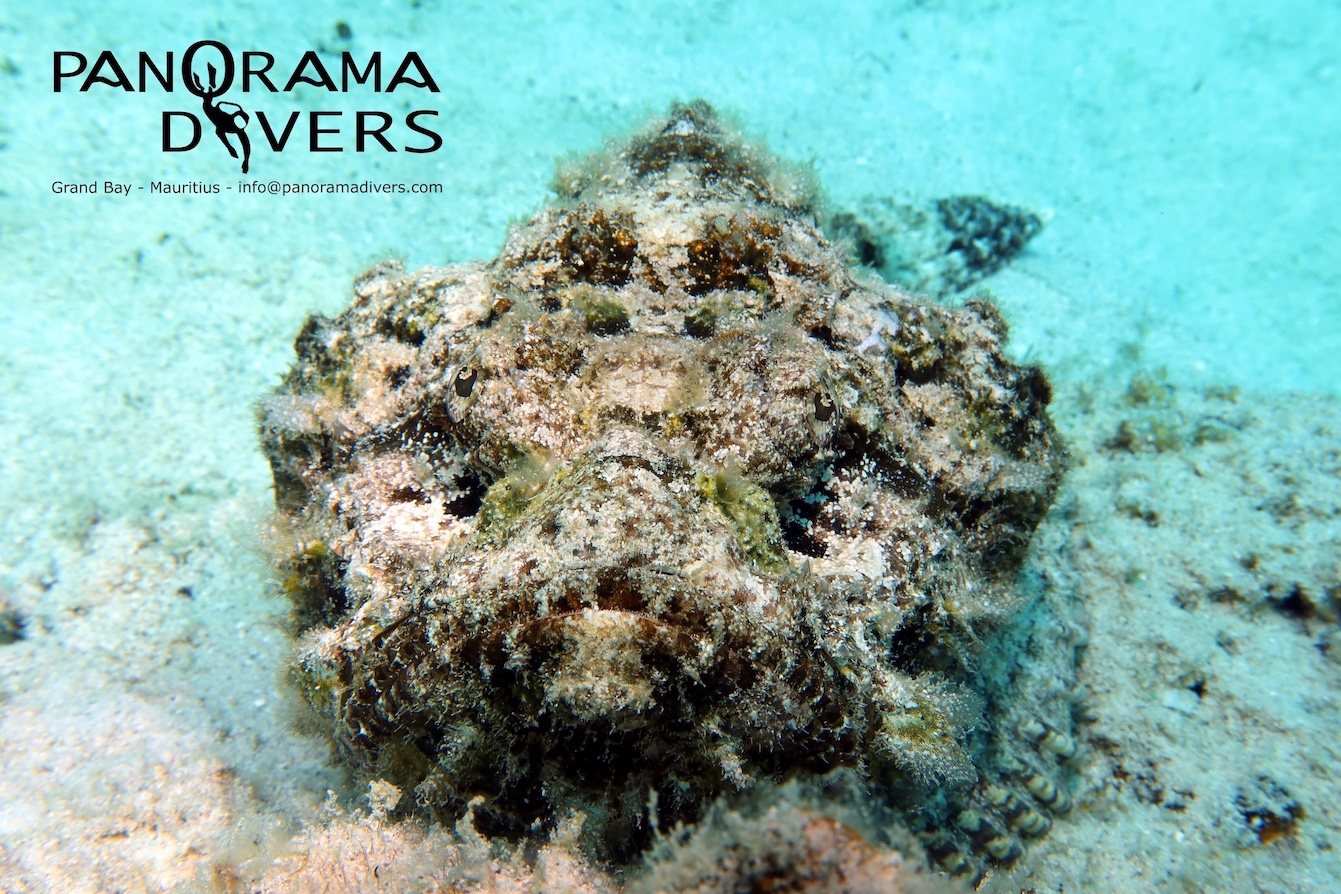
From the front part of the fish, you can see a different mouth. The one from the stonefish being more like a "unhappy smiley" than the one from the scorpionfish.

Scorpionfish:
- More defined fish shape
- Visible fins and head structure
- Often perched on rocks or coral
Stonefish:
- Looks like a rock or lump
- Thick, blob-like body
- Hard to even recognize as a fish
If it looks like a fish → likely scorpionfish
If it looks like a rock → think twice… stonefish!
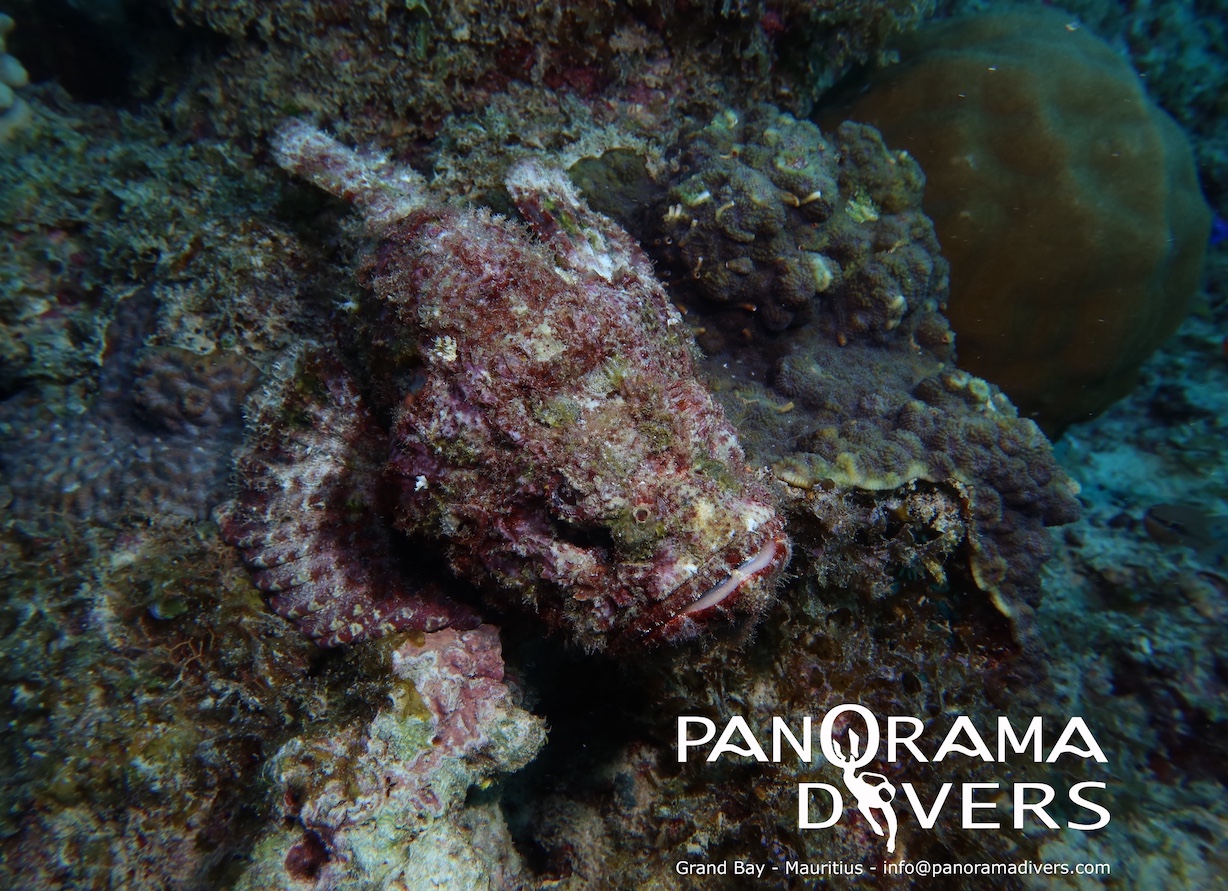
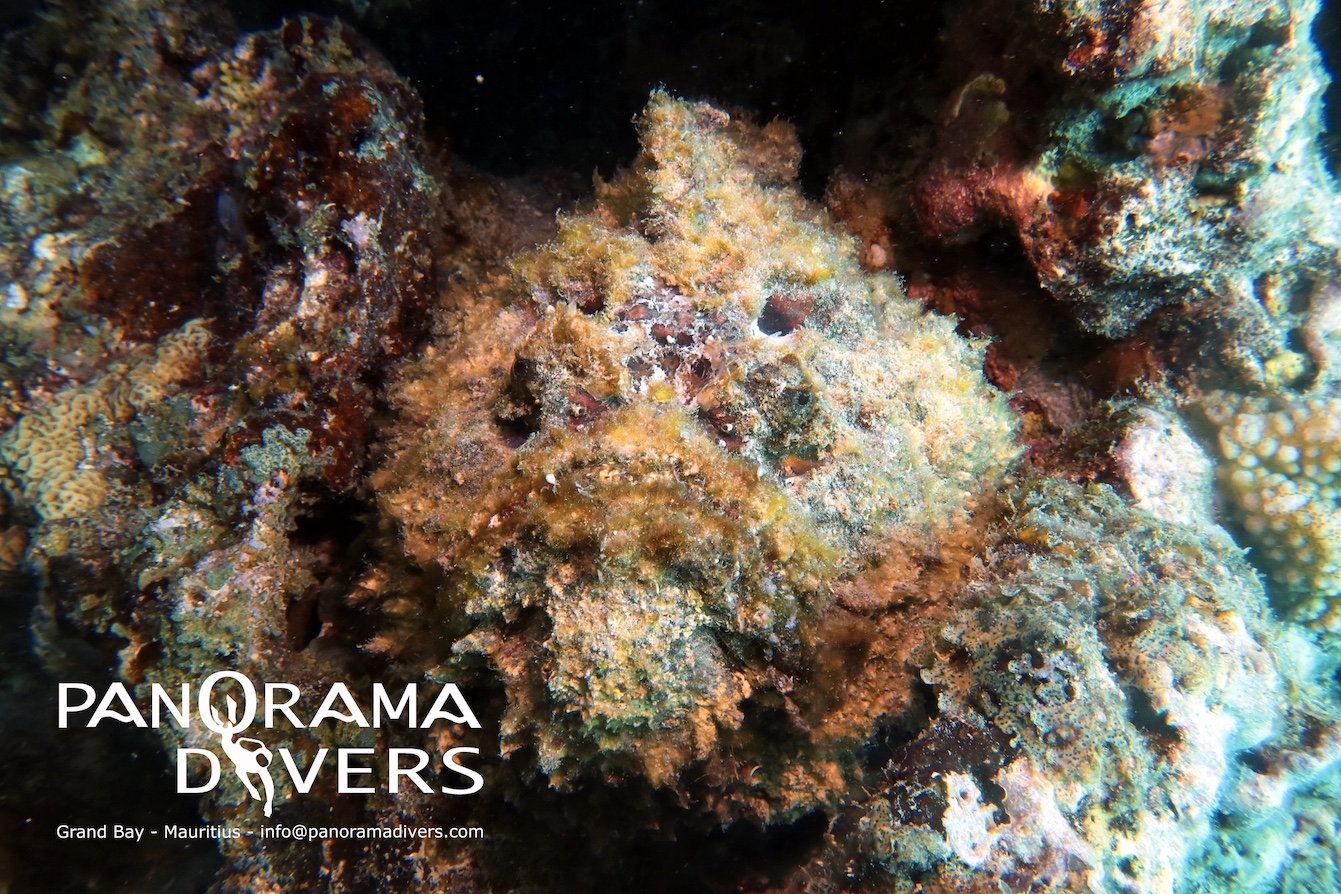
Scorpionfish Stonefish
2. Skin Texture and Camouflage
Scorpionfish:
- Covered in frilly appendages
- Mimics algae, coral, or sponges
- Often more “decorative”
Stonefish:
- Rough, warty skin
- Resembles dead rock or coral rubble
- Camouflage is more minimal but extremely effective
3. Behavior
Scorpionfish:
- May move slightly when approached
- Often seen resting on reef structures
Stonefish:
- Almost never moves
- Usually found on sand, rubble, or shallow flats
- Relies 100% on invisibility
4. Venom Danger

Both are venomous, but:
- Stonefish (genus Synanceia) are the most venomous fish in the world
- Scorpionfish are venomous but generally less dangerous
Stonefish stings can be extremely serious and require immediate medical attention.
Easy Trick to Remember
- Scorpionfish = visible fish + artistic camouflage
- Stonefish = invisible rock + maximum danger
Tips for Divers & Underwater Photographers
- Never place your hands on the substrate
- Improve your buoyancy control
- Look carefully before settling for a shot
- Use a torch/light to reveal textures and shapes
- When in doubt: don’t touch
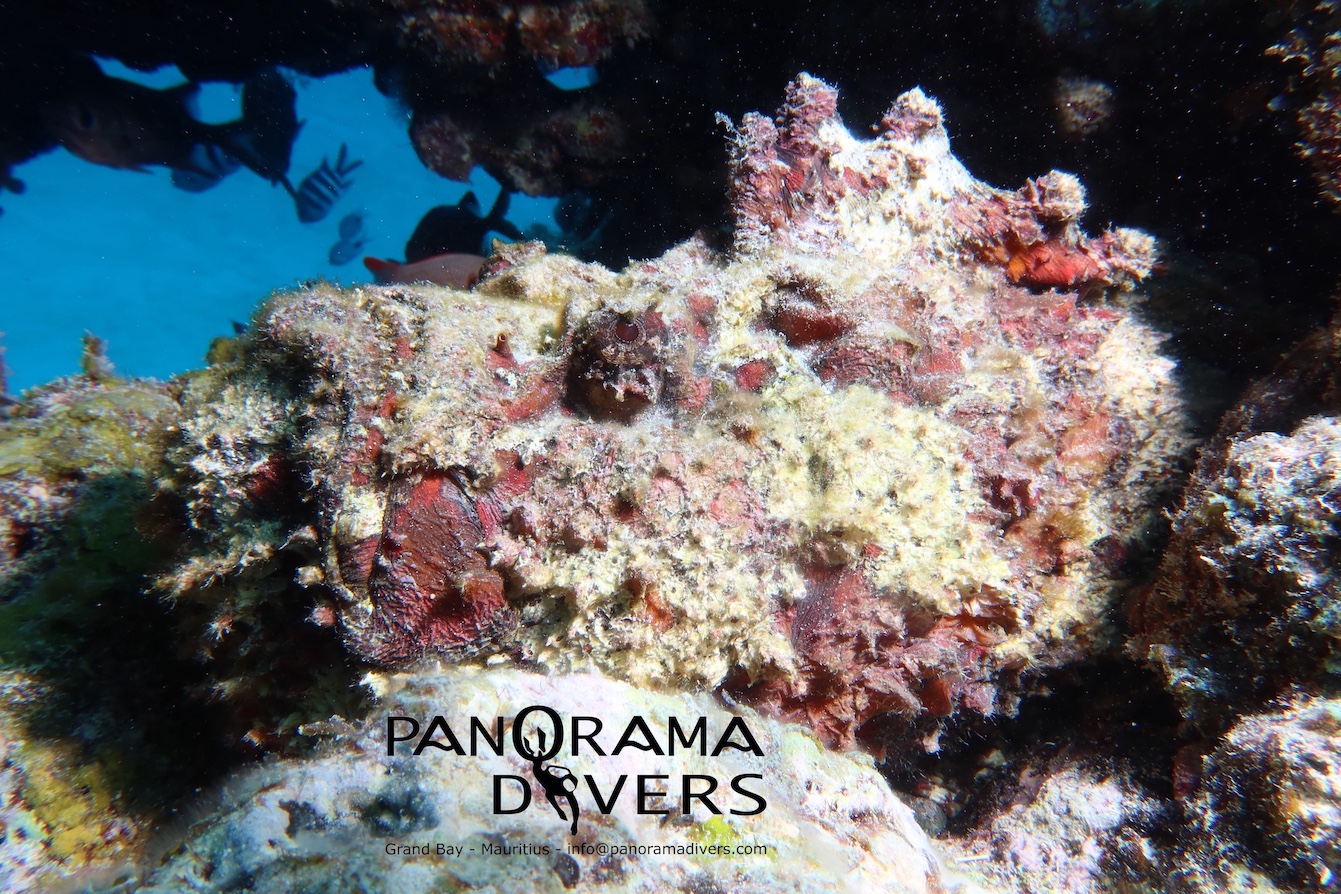
Why It Matters
Being able to distinguish these species is not just about knowledge — it’s about safety and respect for marine life.
For underwater photographers, it also helps you:
- Identify rare subjects
- Anticipate behavior
- Capture more intentional shots
Conclusion
Scorpionfish and stonefish may look similar at first glance, but with a trained eye, the differences become clear.
Next time you’re diving, take a closer look — that “rock” might just be one of the ocean’s most incredible (and dangerous) masters of camouflage.


